
Partnership
There’s support that lives in kind words, good intentions, and a quick share. And then there’s support that doesn’t need big explanations—because it costs time, energy, patience, and real effort.
This story belongs to the second kind.
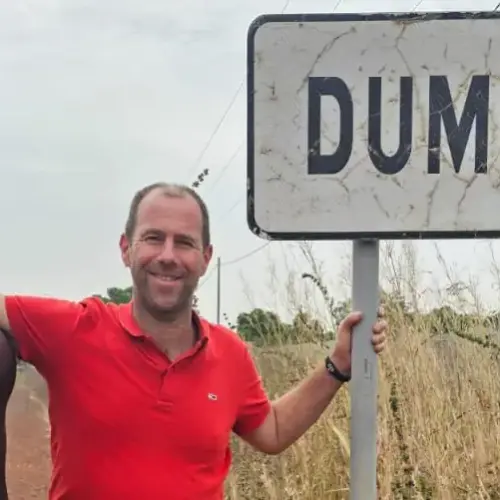
In early November, Jens set out with a friend from a small village in northern Germany. Not for a trip, not for an “adventure story,” but with one clear goal: to drive a vehicle all the way to Gambia and donate it to the Foundation for real work on the ground.
6,500 kilometers overland—through Germany, France, and Spain, then by ferry to Morocco, on toward Western Sahara, through Mauritania, Senegal, and finally into The Gambia—to meet Omar Darboe in person.
In total: nearly 100 hours of driving time.
And that number only becomes real once you understand what journeys like this actually involve.
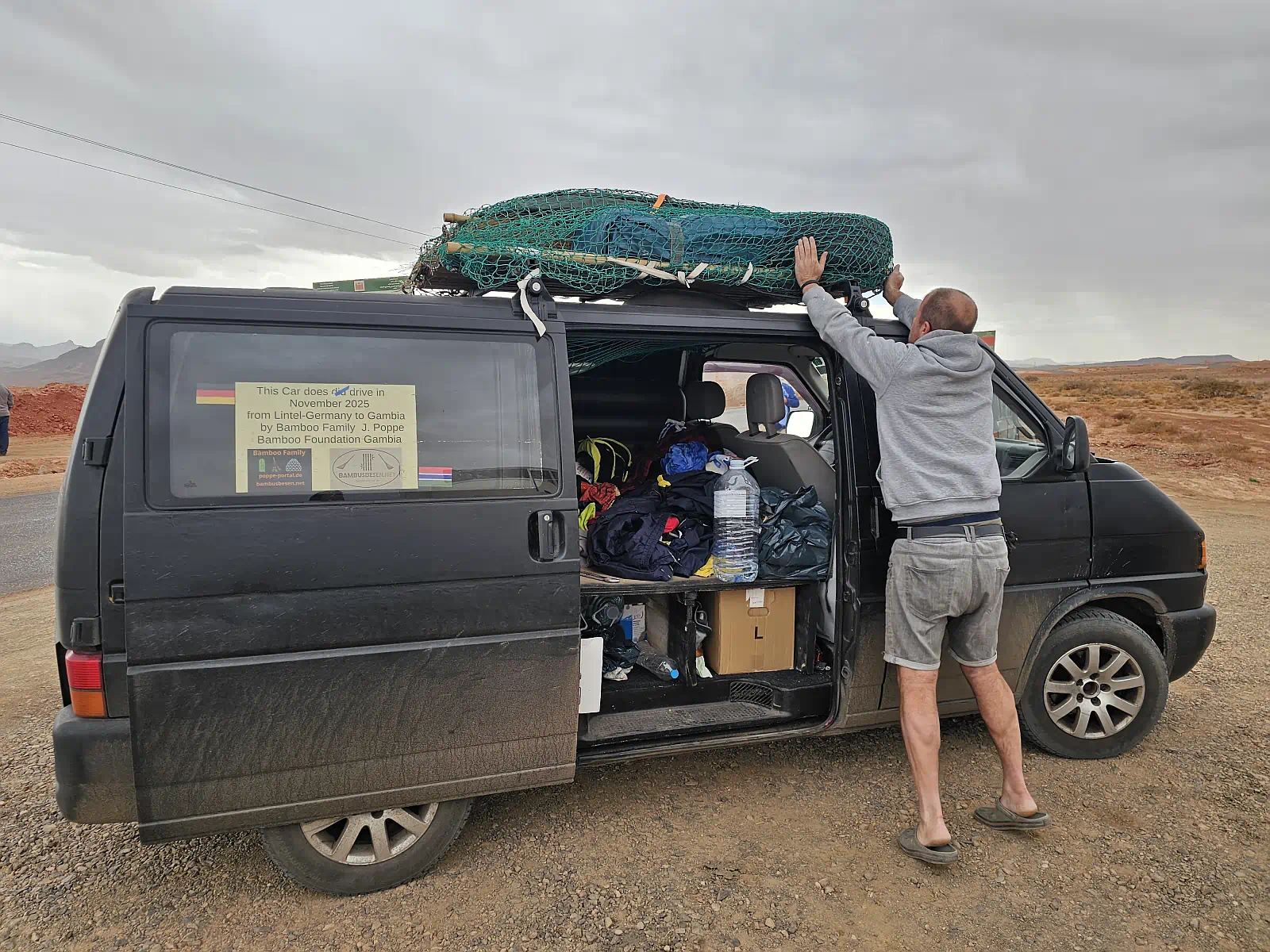
A Vehicle Isn’t “Just a Donation” — It’s Infrastructure
From a distance, it’s easy to underestimate how much daily logistics decide whether a project can move forward. On the ground, success is not only about good ideas—it’s about whether you can move people, tools, and materials reliably:
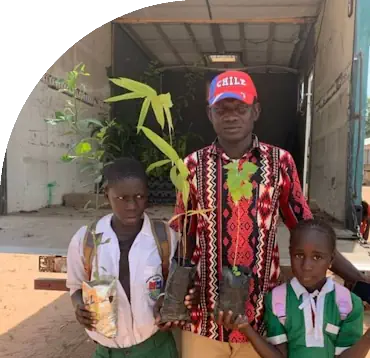
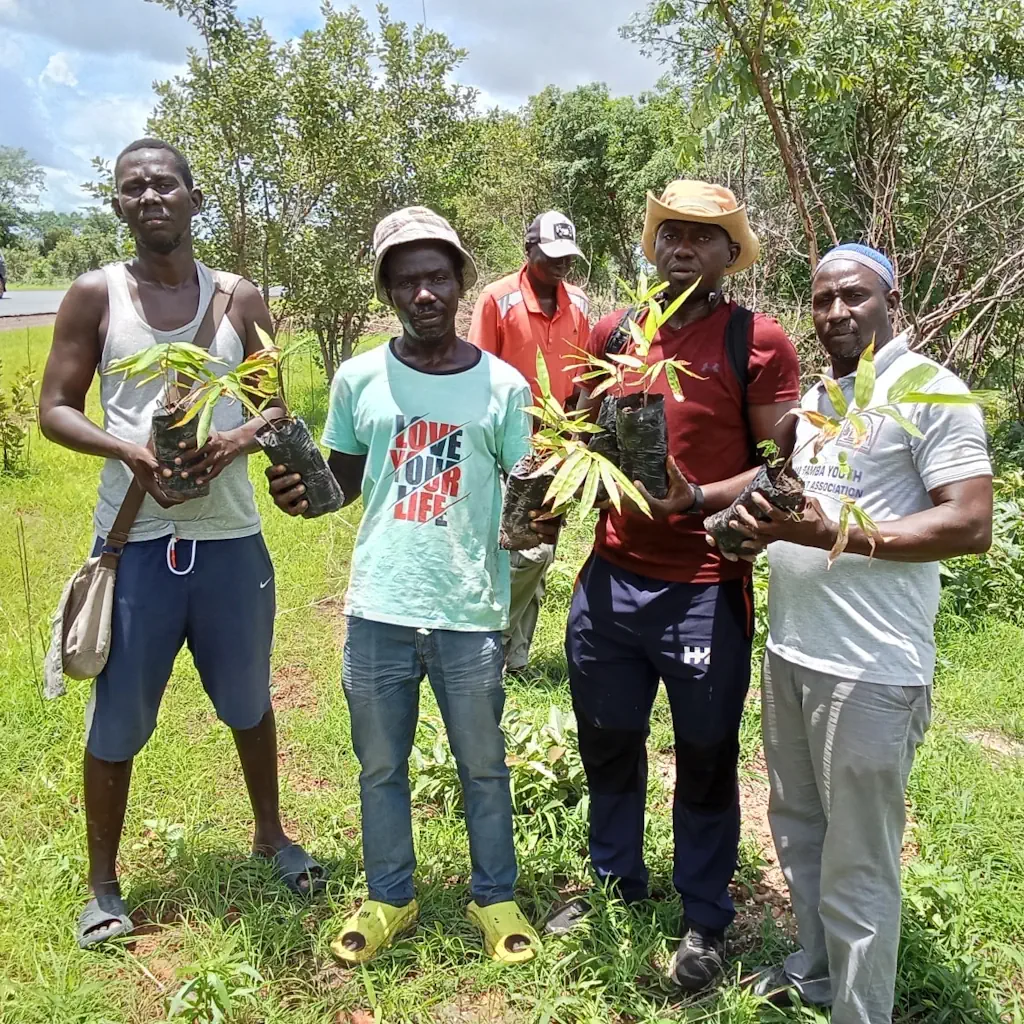
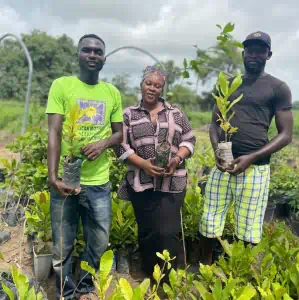
- transporting bamboo seedlings and equipment
- bringing people to trainings and project sites
- reaching remote areas that aren’t “just around the corner”
- reacting quickly when something is needed urgently
- saving time and money in everyday operations
In this context, a vehicle is not a luxury. It’s operational capacity. It increases reliability, reduces costs, and makes planning possible—and planning is what turns a vision into long-term progress.
The Route: Not Only Long — But Relentless
6,500 kilometers overland isn’t “just driving a bit further.” It’s a demanding mix of:
- long, monotone hours where concentration is everything
- breaks you don’t take for comfort, but because you must
- adapting continuously to new rules, systems, and routines
- the constant awareness that you’re not there yet—yet you still have to keep going
And the further south you go, the less the road feels like “highway logic.” Progress becomes slower and more exhausting. Some stretches are simply rough—uneven surfaces, potholes, dust, detours, and sections where you don’t gain distance through speed, but through patience.
Not dramatic. Just hard—because it’s everyday hard.
Borders, Checkpoints, Controls: Stop, Explain, Wait — Repeat
Another reality people rarely see: on a route like this, you are not simply “traveling.” You are constantly being interrupted.
Border crossings are not just a drive-through. They usually mean:
- lining up and waiting
- presenting documents
- answering questions
- stamps and forms, different procedures in each country
- delays you cannot control
- staying calm, even when it becomes frustrating
And along the way, there are also regular checkpoints and controls. Stop again. Show documents again. Short conversations again. Then continue. Over and over.
What makes this mentally exhausting is often not one big problem—but a hundred small interruptions that break your rhythm and drain energy, especially after many hours behind the wheel.
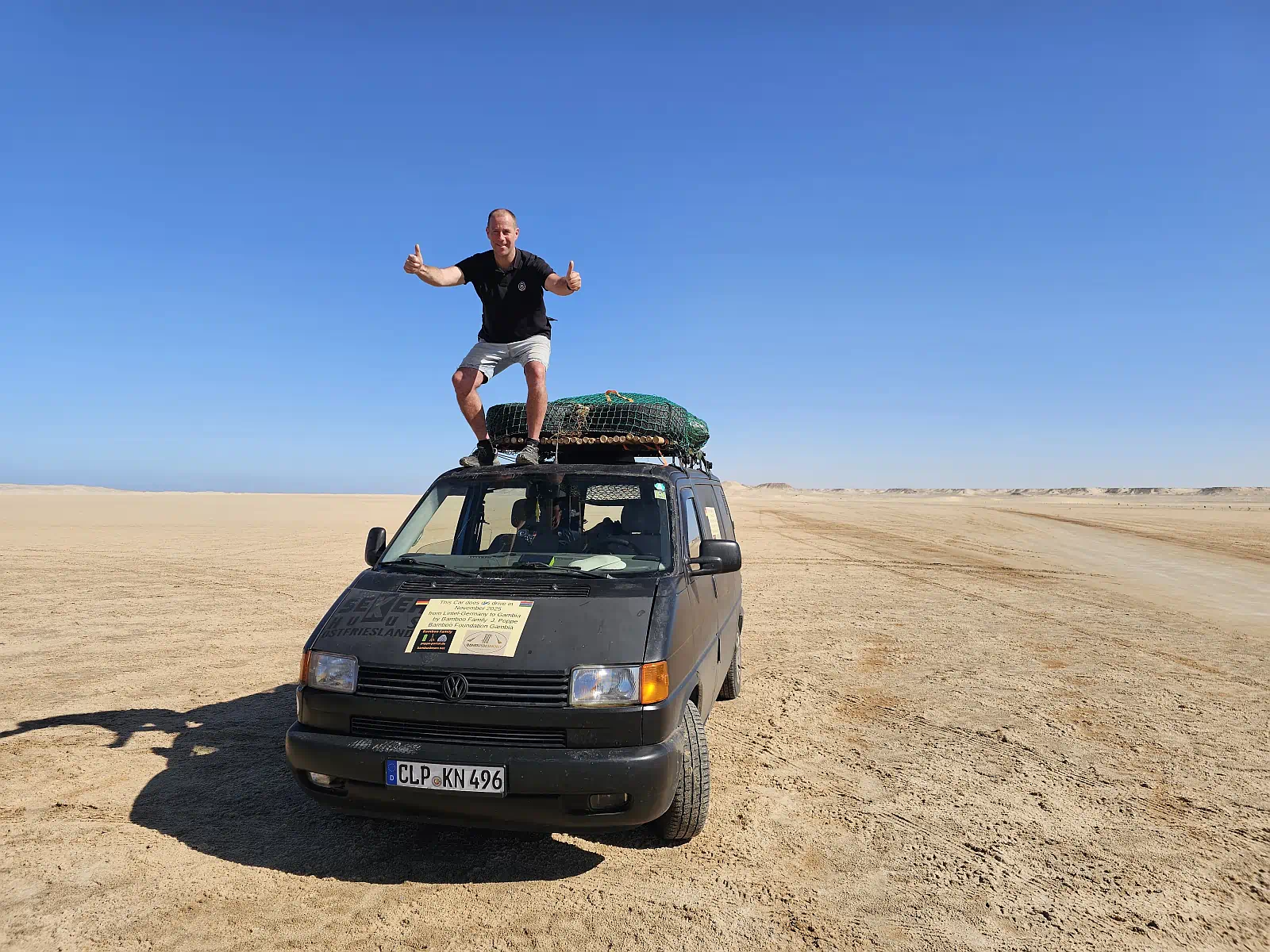
Nearly 100 Driving Hours: The Real Challenge Is Mental Discipline
When you drive that far, you quickly realize: the biggest challenge isn’t only physical. It’s mental.
- staying focused when you’re tired
- keeping decisions clean when everything feels slow
- planning your day while knowing you can’t control everything
- choosing wisely: push forward, or stop and recover?
This is not a holiday road trip. It’s a mission. And you don’t do it because it’s comfortable—you do it because you truly want life on the ground to become easier and more effective.
Arriving to Meet Omar: A Moment That Says More Than Words
After all the hours, all the stops, all the “one more stretch,” there is a moment that puts everything into focus: arrival.
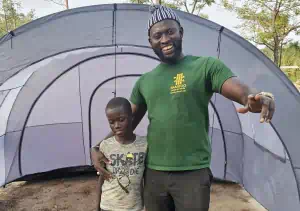
Not at a tourist destination. Not at a scenic viewpoint. But with Omar—bringing a vehicle that will immediately support the Foundation’s work.
It’s not a PR moment. It’s a real moment. And it’s powerful precisely because the journey beforehand wasn’t smooth.
What This Vehicle Can Change Over Time
A vehicle doesn’t transform a project in a single day. It transforms it a little bit every day:
- less improvisation, more planning
- more reach, less dependence on others
- faster execution of small steps (and small steps build real progress)
- better coordination and documentation
- better use of time and energy on the ground
It may not sound romantic. It’s better: it’s functional. And functionality is the difference between “we try something” and “we build something that lasts.”
If You Wonder What Real Support Looks Like — This Is It
Many people want to help—and that matters. But help becomes truly powerful when it becomes practical—when it costs effort, time, and persistence, and is still done anyway.
This is why this story is more than a road trip. It’s an example of what foundation-level commitment looks like:
- visible
- uncomfortable enough to be real
- effective enough to change daily work on the ground
Jens and his friend didn’t “just drive.” They delivered a milestone—6,500 kilometers of proof that commitment can be practical, personal, and deeply meaningful.
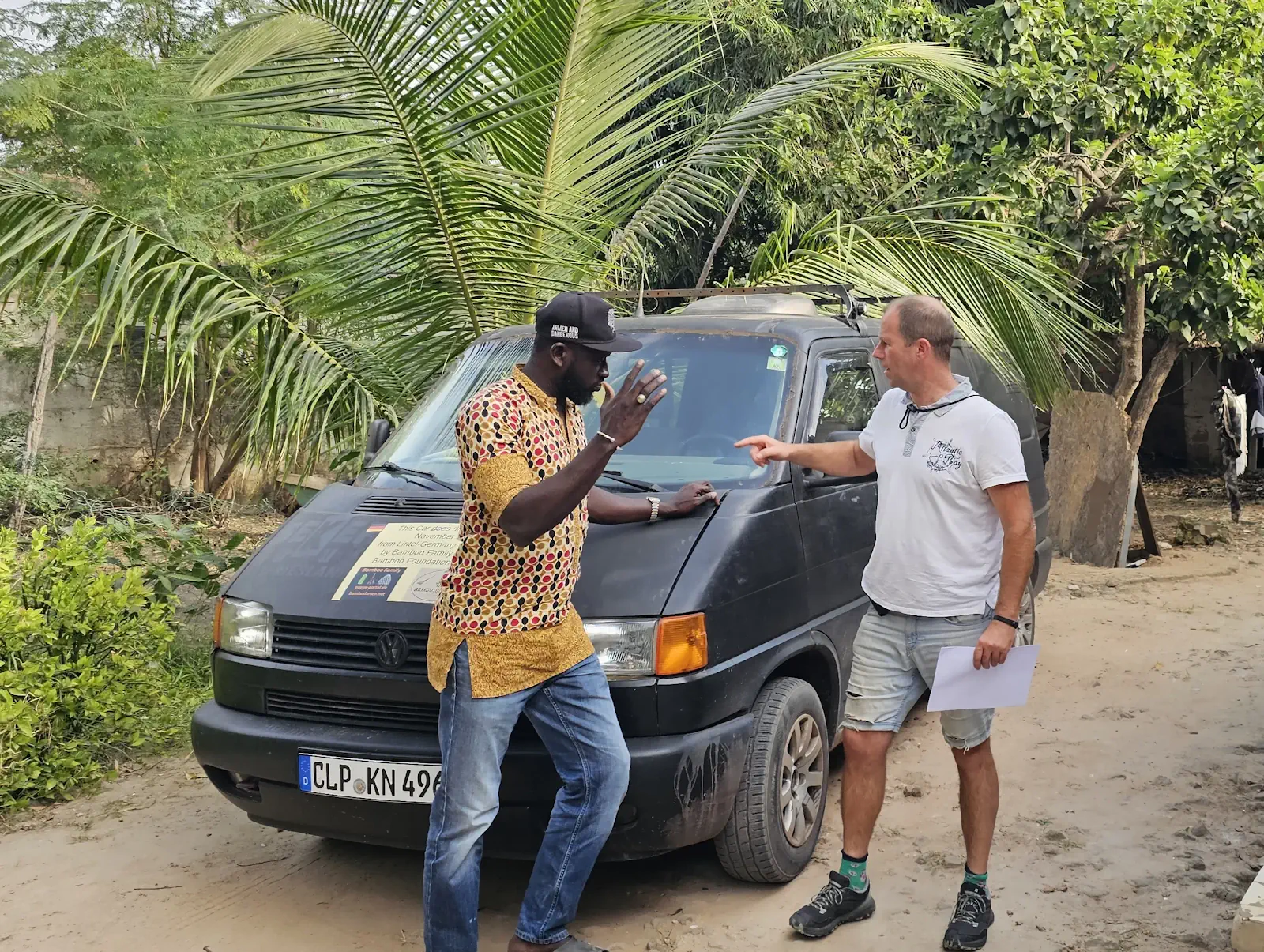
From an Online Discovery to a Real Partnership
As a bamboo expert, Jens Poppe first came across the Bamboo Foundation Gambia and Omar Darboe online a few years ago. What caught his attention wasn’t flashy marketing—it was the clarity behind the idea: treating bamboo not as a symbol, but as a practical tool for real opportunities and long-term impact.
Jens wanted to see the reality for himself. Instead of judging from a distance, he traveled directly to The Gambia to meet Omar in person and understand the project on the ground.
There, Omar convinced him with his determination, his grounded approach, and his realistic mindset about what can actually be built—step by step, under real conditions. It wasn’t about big promises. It was about credibility, discipline, and a clear will to make things happen.
Since that first visit, Jens hasn’t been “just a supporter.” He has become a strong sponsor and committed backer of the Foundation—contributing know-how, structure, strategic thinking, and practical help, because he saw that this is a project where people don’t just talk—they do the work.