


Situations
Flooding isn’t only “weather.” In many neighborhoods, floods happen because water has nowhere to go: drainage channels are blocked with waste, culverts choke, and degraded soil can’t absorb heavy rain. One storm then becomes weeks of consequences—standing water, damaged homes and belongings, missed work, missed school, and constant recovery pressure.
The pattern is repeatable: the same choke points flood the same streets, season after season. That’s why flooding is often a system problem—and why the solution is also systemic: keep water moving, keep waste out of drains, and strengthen the land’s ability to buffer rainfall.
Our direction is practical: we connect environmental cleanup to public health and safety by reducing blockages, building community routines, and supporting simple solutions that keep drainage and waterways clearer. For partners, this is high-impact work because the results are visible, measurable, and immediately felt—less standing water, fewer flood hotspots, and less disruption.
Why floods become predictable
Heavy rain can be normal. The crisis starts when the system fails.
Blocked drainage turns rainfall into damage
Plastic bottles, bags, mixed waste, and sediment build up in channels and culverts. One choke point is enough to push water into compounds, across footpaths, and through homes.
Weak soil amplifies runoff
When soil is compacted or depleted, rain doesn’t soak in—it runs off fast, carrying more debris into drains. That makes blockages worse and floods more sudden.
Small failures cascade
A single blocked culvert can flood an entire stretch of neighborhood. It feels like “bad luck,” but it’s usually preventable.
Public health risks: standing water is a real exposure
Standing water is not just inconvenient. It creates repeated exposure risks:
higher contact with contaminated water and waste
more mosquitoes and other pests
increased exposure for children, who move and play close to the ground
disrupted hygiene routines when compounds and pathways stay wet or muddy
This is why drain clearing and waste reduction are not “beautification.” They are everyday health protection.
The hidden cost: flooding steals stability
The biggest damage is often what doesn’t show in one photo:
missed school days and learning gaps
lost workdays and income interruption
repairs and replacement costs that drain household budgets
limited access and transport disruption
recurring stress that lowers community confidence
Flooding becomes a tax on daily life—paid repeatedly by the same families.
Our direction: routines that keep water moving
We focus on what works under real conditions: simple actions, repeated consistently.
1) Prioritize drainage hotspots
Not every meter matters equally. We start with the points that trigger the biggest backups: culverts, bends, low points near homes, and channels feeding standing-water zones.
2) Clear blockages + reduce re-blockage
Clearing drains works best when paired with a basic “plastic out / mixed waste separate” habit. Less re-scatter means fewer repeat blockages.
3) Build a community routine, not a one-off event
A system is a rhythm:
predictable cleanup intervals in priority zones
local coordinators who keep the routine alive
basic tools and safe handling
simple storage/sorting so waste doesn’t return to the drain
4) Frame it as safety and health
People protect what they feel. When communities see fewer flooded compounds and less standing water, motivation becomes self-reinforcing.
What we measure (credibility without complexity)
This is one of the easiest areas to show real impact without complicated tech:
number of hotspot clearances completed and repeated
meters of drainage cleared and kept clear over time
volume/weight of waste removed from drainage zones
before/after photo points (same location, same angle)
reduction of recurring standing-water spots after rain (spot checks)
community feedback on flood frequency and disruption
Where bamboo fits (supporting role, not a headline)
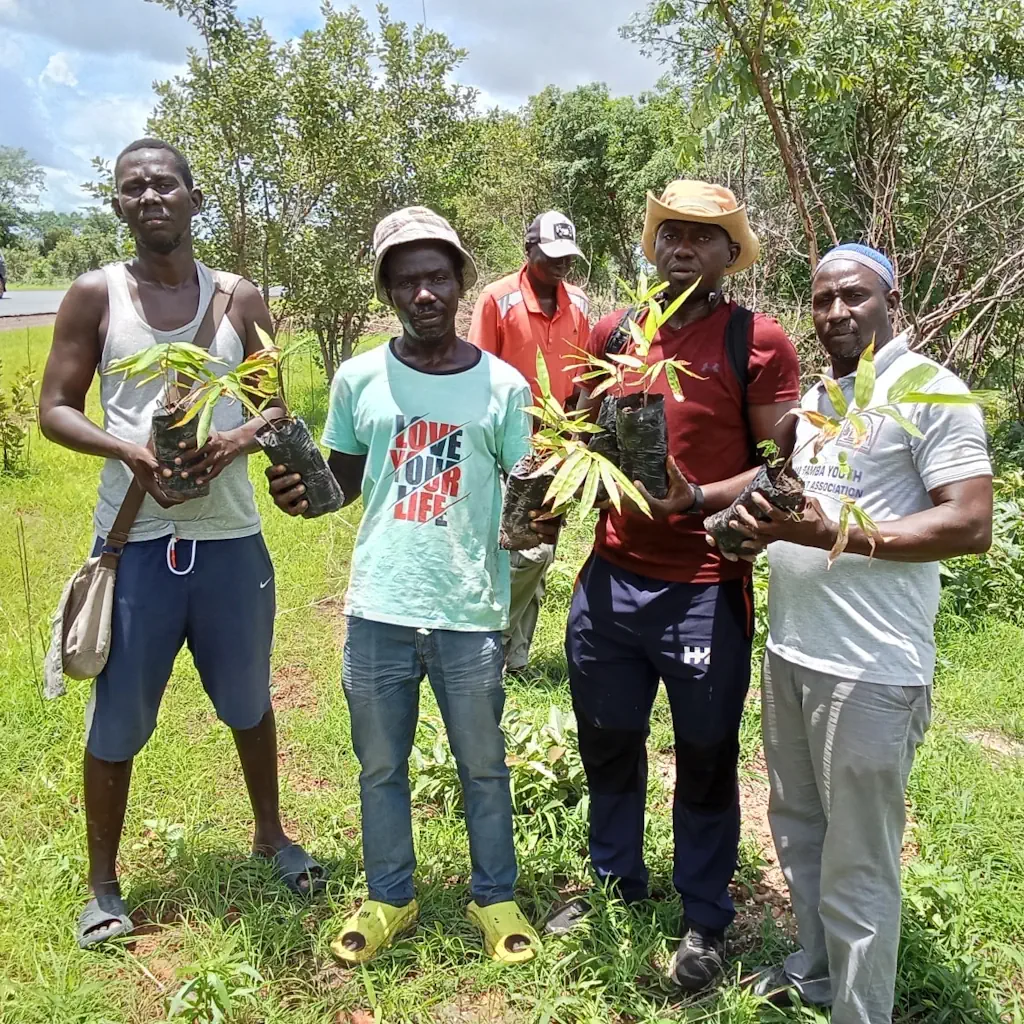
Bamboo is not a flood-control miracle. But it can support resilience when used correctly:
stabilizing vulnerable edges so erosion feeds less sediment into drains
enabling simple structures for sorting/coordination (shade, racks, storage)
supporting land restoration that improves infiltration over time
How you can support (donors + CSR partners)
For private donors
Support funds tangible work with immediate community benefit:
gloves, sacks, rakes/grabbers, transport for hotspot clearing
coordinator support to maintain routines
simple sorting/storage setups to prevent re-blockage
documentation so progress stays transparent
For CSR partners
Clear, brand-safe entry point with measurable deliverables:
sponsor a drainage hotspot program with defined zones and KPIs
fund equipment kits + logistics for routine clearing
support coordinators + reporting (photo logs, milestones)
scale pilots across communities with documented progression
The bottom line
Flooding is often the visible symptom of blocked drainage and weak soil buffering—not just bad weather. When water can move and waste stops feeding choke points, the improvement is immediate: fewer flood hotspots, less standing water, and less disruption for families.
And even if the challenges are bigger than any single initiative, Bamboo Foundation Gambia is a practical step in the right direction—small, consistent actions that make daily life safer and more resilient.