


Situations
Plastic waste doesn’t disappear when there’s no formal waste management system. It builds up in streets, wetlands, drainage channels, and informal dumping areas—and when the rains come, it moves fast. What looks like a “mess” on a dry day becomes a flood trigger overnight.
This isn’t only about cleanliness. Unmanaged plastic increases flood risk, raises health exposure, damages livelihoods, and slowly erodes the dignity of public spaces. In the end, everyone pays—families first.
The moment plastic turns into a real emergency
During heavy rainfall, blocked drainage is not a minor inconvenience. Water can’t flow where it needs to go. Streets flood, compounds flood, shops lose goods, and daily routines break: work stops, school stops, and recovery costs money people don’t have.
And once flooding becomes normal, communities spend every rainy season reacting instead of building.
Why unmanaged waste hits harder than people think
Flood risk
Plastic bags and mixed waste clog channels and culverts. Water backs up, spreads into living areas, and returns again and again—often to the same vulnerable neighborhoods.
Health exposure
Unmanaged waste attracts pests and creates standing water. Add open burning (a common “quick fix”), and you get toxic smoke exposure—especially for children and older people.
Public space and pride
When public areas become dumping points, shared responsibility collapses. People stop believing improvement is possible. That mindset becomes a hidden barrier to long-term solutions.
Environmental damage that lasts
Plastic breaks down into smaller pieces, but it doesn’t vanish. It travels through waterways into wetlands and coastal zones, harming ecosystems communities depend on.
The real reason plastic “wins”
People don’t choose plastic because they want pollution. Plastic “wins” because it’s available, cheap, and everywhere—while collection, sorting, and safe disposal often aren’t.
- Packaging is unavoidable in daily goods
- Alternatives are limited or import-dependent
- Collection routes and sorting points are inconsistent or missing
- The default “end of life” becomes dumping, burying, or burning
This is why awareness alone is not enough. You can’t lecture people out of a system that gives them no workable options.
What actually works: routines, not one-off campaigns
One cleanup can look great—and fail a week later if the waste returns. What matters is repetition: predictable, community-owned routines that keep a place clean because the system keeps running.
Our direction: community-led cleanup + simple sorting
At Bamboo Foundation Gambia we focus on practical building blocks that fit real life:
1) Targeted cleanup where it matters most
We prioritize hotspots that directly affect flooding and health: drainage channels, waterways, school surroundings, main footpaths, and recurring dumping areas.
2) Separation that’s simple enough to sustain
Sorting doesn’t need to be perfect on day one. It needs to be doable: separate what can be handled differently (bottles, bags, mixed waste), store it safely, reduce re-scatter.
3) Partnerships that turn actions into routines
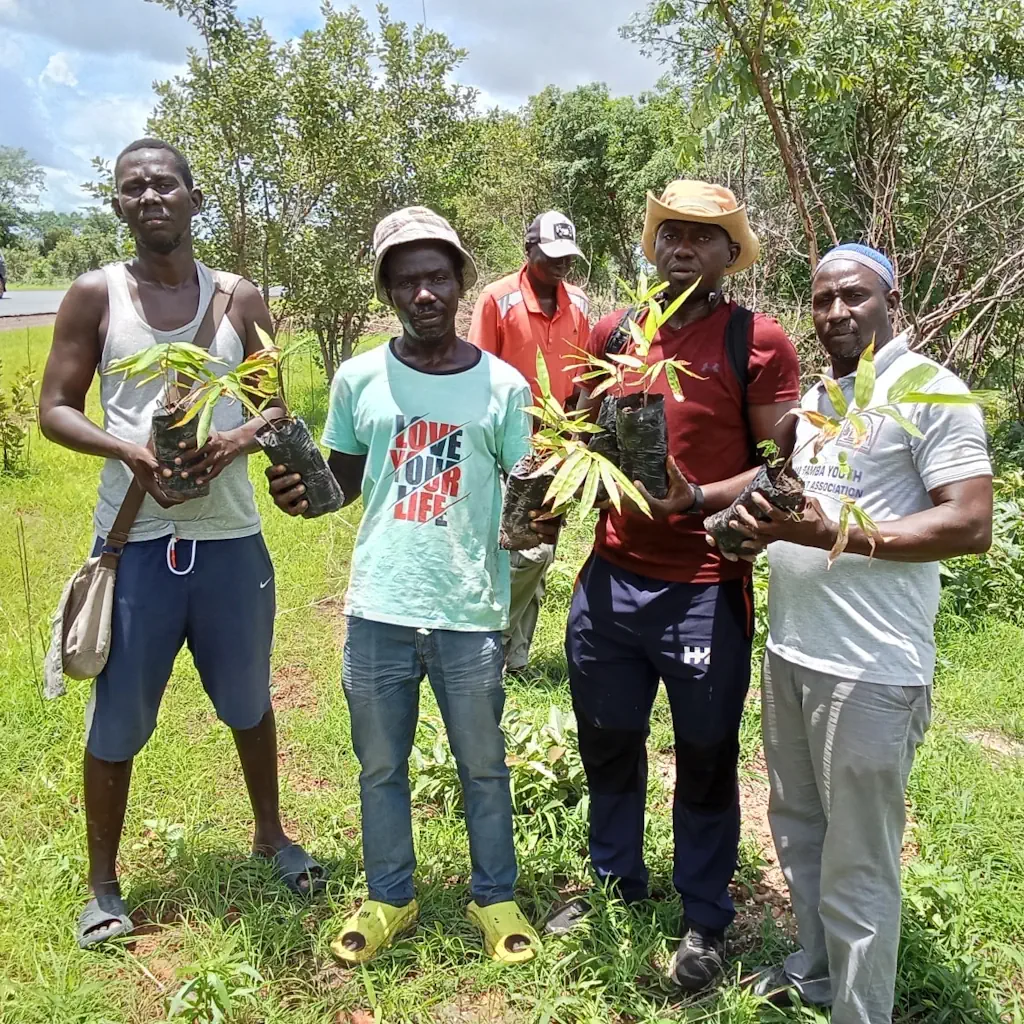
Local coordination is the difference between “a good day” and real change. We work with community structures—youth groups, women-led teams, local coordinators, schools—so cleanups become scheduled and owned.
What we measure (so progress is real)
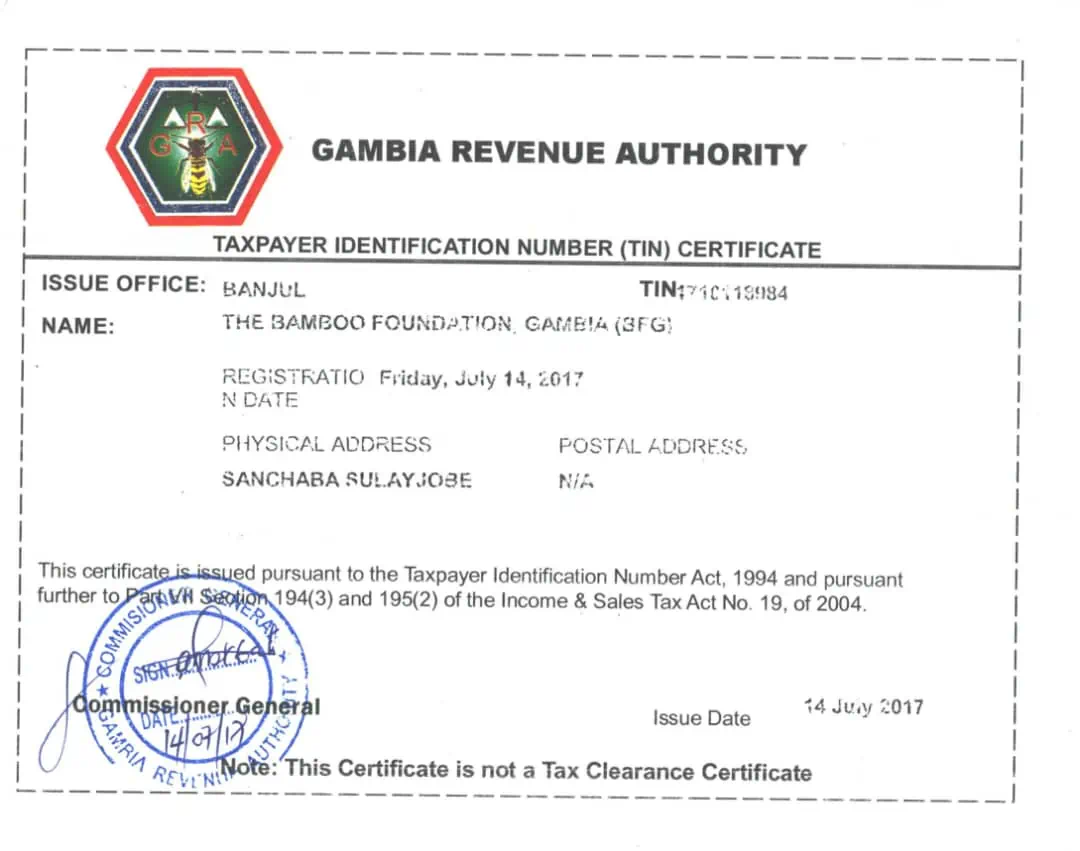
For donors and CSR partners, credibility matters. We track outcomes that are simple and meaningful:
- kg of plastic collected (by area and month)
- number of cleanup days completed
- meters of drainage cleared and kept clear
- number of volunteers trained and retained
- number of sorting points created and maintained
- before/after documentation of recurring hotspots
These metrics show whether routines are forming—and whether community spaces stay healthier over time.
Where bamboo fits (without pretending it’s magic)
Bamboo does not “solve plastic” by itself. But it can support the long-term shift in two realistic ways:
1) Local alternatives reduce single-use dependency
Bamboo can enable practical, locally made replacements—especially reuse-focused items (like durable baskets and simple household goods) that reduce the daily need for single-use bags and low-quality plastic items.
2) Local value creation makes sustainability stick
Waste systems struggle when nothing has value. Bamboo-based livelihoods can help build local capacity and income pathways—so environmental improvement becomes part of community development, not a burden.
How you can support (clear and practical)
For private donors
You help fund what actually moves the needle:
- gloves, rakes, sacks, basic sorting equipment
- transport and logistics for collection routines
- community coordination so actions repeat
- education tied to real action (not just talk)
For CSR partners
We can structure support around clear deliverables and reporting:
- sponsor a drainage-first cleanup + sorting pilot
- fund a training cohort (youth or women-led coordination)
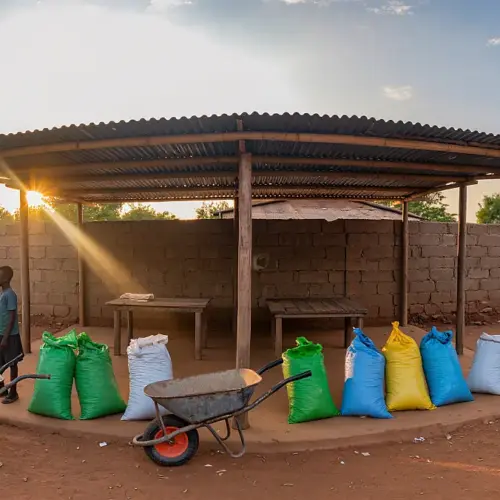
- equip local collection teams (tools, PPE, storage, transport)
- build an impact reporting package (KPIs, documentation, case stories)
The bottom line
Plastic pollution is not just an environmental issue—it’s infrastructure, public health, and resilience. The path forward is straightforward: make the problem visible, make actions repeatable, and build local routines that last beyond a single campaign.
And even if the road is long, Bamboo Foundation Gambia is one small, practical path to move things forward—step by step, community by community.