

Situations
Even when people want to make better choices, the market often doesn’t support them. Sustainable products can be scarce, expensive, or import-dependent. Without local value chains, money leaves the community—and “sustainability” stays a concept instead of becoming local capacity.
The hard reality is simple: behavior change is limited by supply. If affordable, reliable options don’t exist locally, households will default to what’s available and cheap, even when it creates waste and long-term costs.
Our direction is step-by-step capacity building: strengthen local production and local purchasing power over time. Bamboo Foundation Gambia supports locally made alternatives and practical products—linked to training, quality basics, and micro-enterprise development. The goal isn’t perfect eco-marketing. It’s durable systems that keep value local and reduce dependence on costly imports.
What weak value chains look like on the ground
A weak value chain isn’t “no factories.” It’s missing reliability:
- makers exist, but inputs/tools are inconsistent
- products exist, but quality varies and trust stays low
- buyers exist, but supply is irregular and delivery fails
- margins disappear through transport, storage, or waste
- no standards, no simple quality checks, no repeat orders
People don’t buy “sustainable.” They buy what’s available, affordable, and dependable.
Why import-dependence quietly blocks local sustainability
Imports aren’t automatically “bad,” but import-dependence creates predictable problems:
Money exits the community
Spending funds external supply chains instead of local jobs, skills, and tools.
Reliability beats good intentions
Imported goods often win because they’re predictable—same product, same availability, same price range.
“Better choices” become a luxury
If sustainable options are rare or expensive, they remain niche and never become a community norm.
The core problem: missing links—not missing effort
Most communities don’t lack willingness. They lack the chain:
- Skills (repeatable production routines)
- Tools (basic equipment for consistency)
- Material flow (reliable inputs, not random availability)
- Quality basics (durability, finishing, safety)
- Distribution (where people actually buy)
- Repeat orders (the point where livelihoods start to stabilize)
If one link breaks, the whole system stays “one-off.”
Our direction: build reliability step by step
We focus on small improvements that create consistency—because consistency creates trust, and trust creates repeat demand.
1) Start with products people already need
We prioritize practical, high-use items that households and communities buy repeatedly. No “nice-to-have” products that don’t survive beyond a pilot.
2) Train for consistency, not creativity
The goal is not variety. The goal is repeatable quality:
- simple workflows
- safe tool handling
- clean finishing and usability
- basic time discipline and storage habits
3) Introduce quality basics early (simple standards)
Quality doesn’t require complicated certification. It requires clear minimums:
- durability expectations
- consistent sizing/finishing
- safe edges and clean handling
- a short checklist that prevents repeat defects
This is where local trust begins.
4) Enable micro-enterprises with realistic support
Most micro-enterprises fail because they start isolated. We strengthen the basics:
- shared tool access / simple kits
- basic costing and pricing logic
- simple record-keeping
- predictable production and delivery routines
5) Build buyer links that repeat
A value chain becomes real when demand repeats. That can be:
- local markets and shops
- community groups and schools
- partner procurement pilots with simple specs
- repeat purchasing cycles that reward reliability
The goal is not viral sales. The goal is predictable orders.
Where bamboo fits (practical local material base)
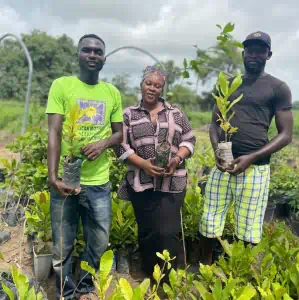
Bamboo can support local value chains because it can become a renewable input for multiple roles:
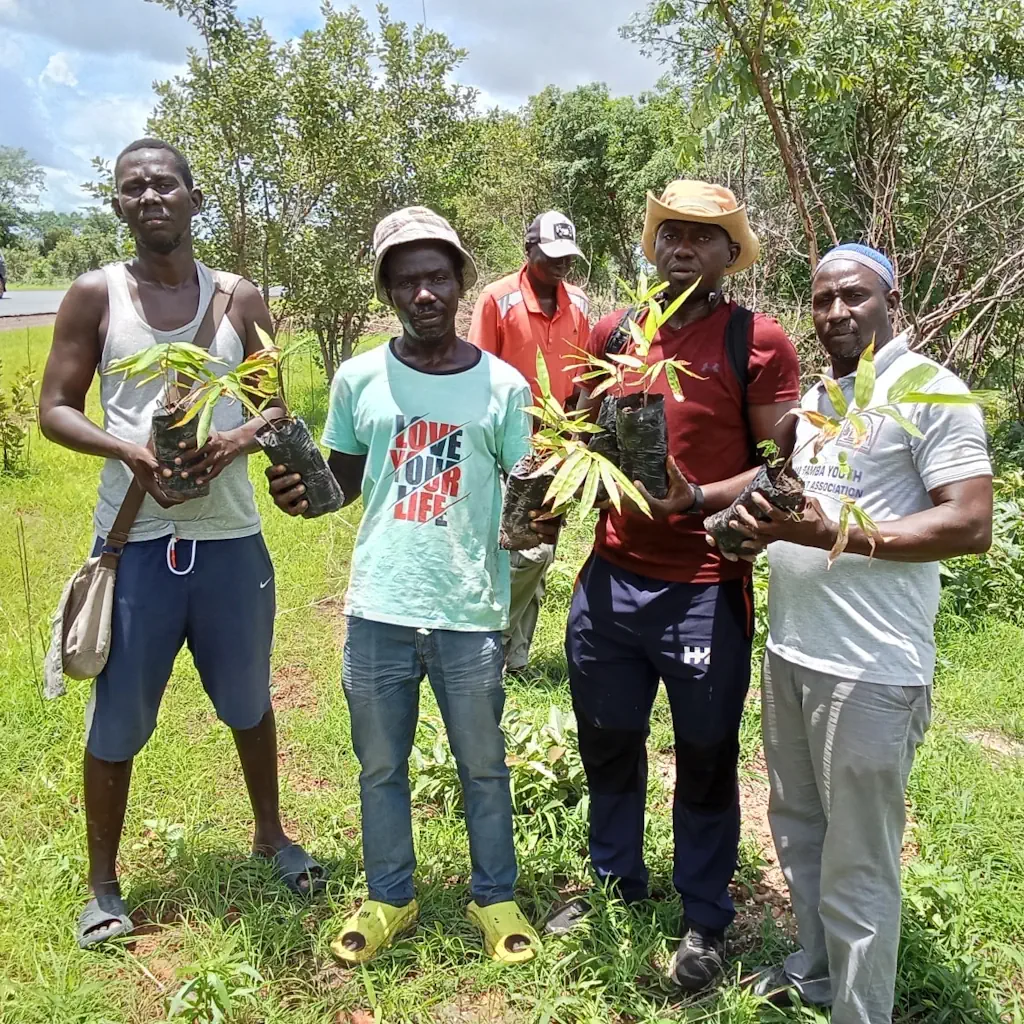
- nursery and planting (job entry points)
- managed harvesting and basic processing
- consistent material preparation
- practical products that can replace low-quality single-use items over time
Important: planting alone doesn’t create a market. The chain must be built from material → product → buyer.
What we measure (so “local value” is real)
We track indicators that show reliability is improving:
- people trained and retained in production roles
- tool access established and maintained
- defect reduction / quality checks passed
- number of repeat buyers and repeat orders
- unit economics improving (time per unit, margin stability)
- local procurement volume retained in-community
- scaling without quality collapse
If repeat orders rise and quality stabilizes, the chain is strengthening.
The bottom line
Sustainable choices don’t scale without local supply that is affordable, reliable, and trusted. Weak value chains keep communities dependent on imports, keep money flowing out, and keep sustainability stuck as an idea instead of a capability.
And even if it starts small, this is a real lever for change: build skills, build reliable products, build repeat demand—so value stays local and the system holds.