

Situations
Degraded soil isn’t just an agriculture issue—it’s a household stability issue. When soil loses structure and organic matter, yields drop, erosion rises, and families get pushed into short-term coping just to make it through the season. Combined with erratic rainfall, heat stress, and flooding, productive capacity can fall faster than communities can recover—especially where land management support, inputs, and tools are limited.
This is what “low climate resilience” looks like on the ground: land that can’t absorb heavy rain, can’t hold moisture during heat, and can’t protect crops when weather swings hard.
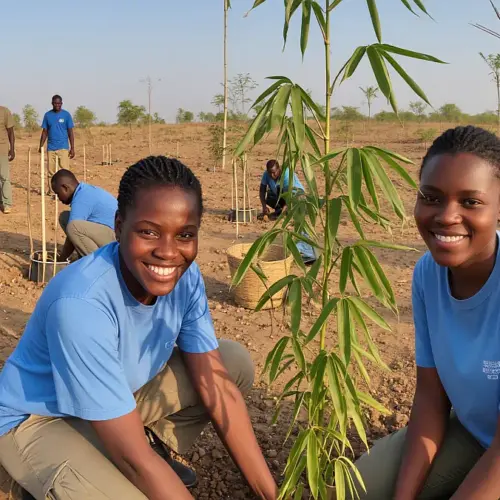
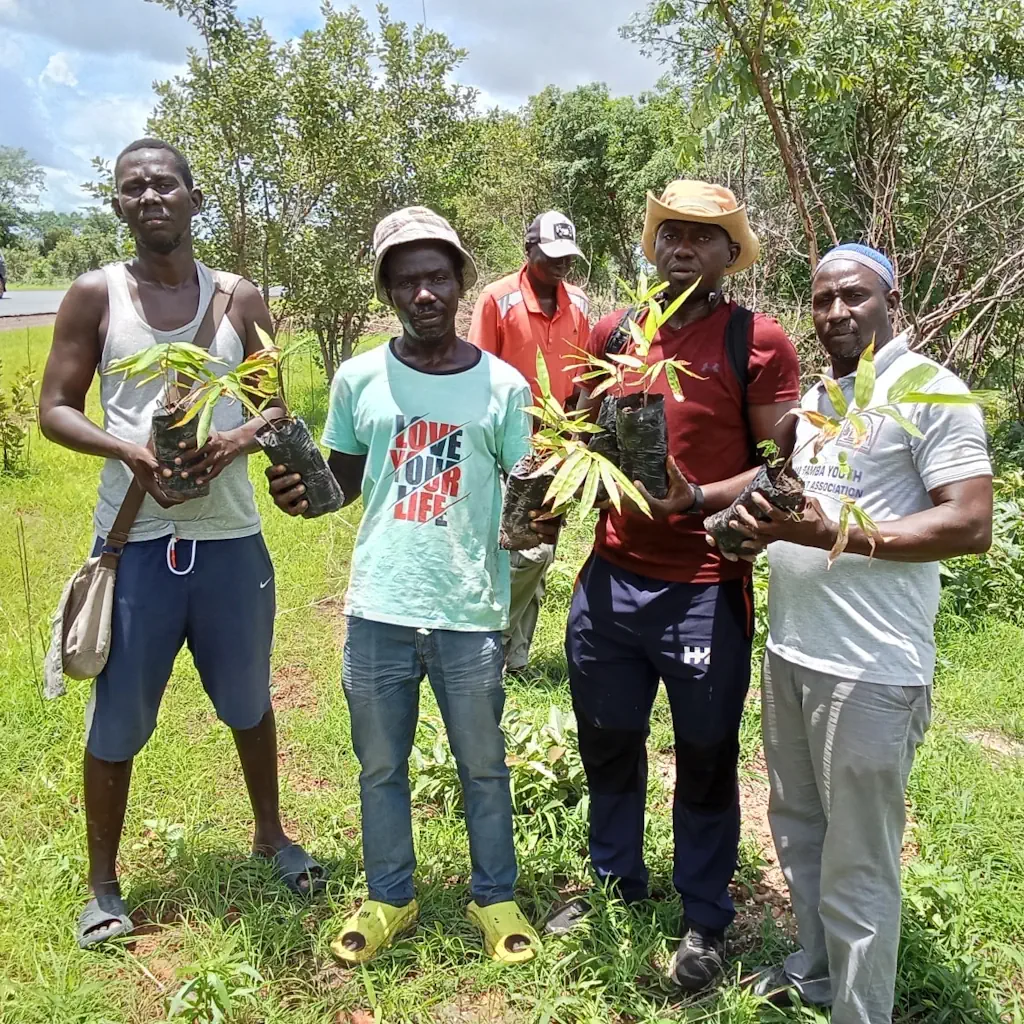
Our direction is practical and field-based: realistic restoration that communities can maintain—stabilizing vulnerable areas, planting strategies built for survival (not photo moments), and long-term local ownership. Bamboo can support this as a regenerative element—helping stabilize soil and strengthen resilience when paired with good planning and consistent care.
What soil degradation looks like in everyday life
Soil degradation often shows up as a pattern people recognize immediately:
- rainwater runs off fast instead of soaking in
- hard crusted ground or compacted soil after dry periods
- gullies forming and expanding after each rainy season
- topsoil washing away, leaving weaker, sandier ground
- crops struggling sooner in heat—even after rainfall
- yields declining while effort stays the same
When soil becomes “tired,” a bad season becomes a crisis instead of a setback.
Why climate stress hits degraded land harder
Healthy soil buffers shocks. Degraded soil amplifies them.
1) Less infiltration → more runoff
Weak structure means rain doesn’t enter the ground. It runs off, carries soil away, and increases flash flooding.
2) Less moisture retention → faster drought stress
Low organic matter means water doesn’t stay available in the root zone. Crops suffer earlier and recover slower.
3) Erosion removes the productive layer
Topsoil holds nutrients and biology. Once it’s gone, rebuilding takes years—sometimes longer than families can afford.
4) Recovery becomes harder each season
Lower yields force short-term decisions that can degrade land further. That’s the trap: weak soil → lower yields → coping strategies → weaker soil.
The trap: short-term coping is rational—until it becomes permanent
Under pressure, people do what works today:
- cultivating marginal areas because better land can’t feed everyone
- removing cover for fuel or space
- reducing inputs because they’re unavailable or too costly
- skipping maintenance because time and labor are stretched
These choices are understandable. Without support and alternatives, they become a permanent downward slope.
Our direction: restoration that’s realistic to maintain
Restoration fails when it’s designed for ideal conditions. It succeeds when it’s designed around maintenance, ownership, and repeatable routines.
1) Stabilize the worst-loss zones first
We focus on areas where soil is actively being lost:
- erosion edges and expanding gullies
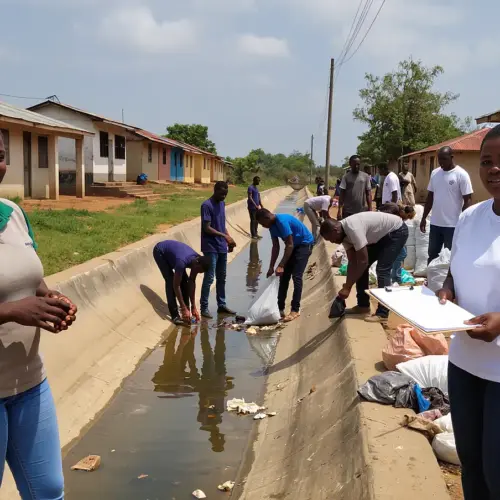
- drainage lines cutting deeper each season
- field borders and footpath edges that feed sediment into waterways
- vulnerable zones that worsen flooding downstream
Stopping active loss is often the highest-return intervention.
2) Planting designed for survival, not scale
Planting is easy. Survival is the metric.
Survival-first planting focuses on:
- timing aligned to rainfall patterns
- site prep that slows runoff and improves water capture
- basic protection from grazing and accidental damage
- simple replant rules where survival drops
- light but consistent maintenance routines
If maintenance is not built in, planting becomes a short story.
3) Community ownership with clear roles
Long-term resilience needs governance, not slogans:
- who maintains which area
- who monitors survival and damage
- agreed rules for protection and use
- simple conflict handling and responsibility lines
- incentives that keep routines alive
Ownership becomes real when responsibilities are clear.
Where bamboo fits (and where it doesn’t)
Bamboo is not a universal fix. Used incorrectly, it becomes another failed planting effort. Used well, it can be a practical regenerative element.
What bamboo can support
- targeted soil stabilization where roots and cover matter
- improved micro-conditions (wind/ground impact reduction) in selected zones
- resilience when combined with correct placement and maintenance
- local value pathways that motivate long-term care
What bamboo should not be oversold as
- a replacement for native forests
- a “plant once and forget” solution
- something that belongs on every site regardless of land use needs
Bamboo works best inside a designed land plan—placed where it helps and maintained like an asset.
What “good planning + consistent care” looks like
The boring basics decide success:
- correct site selection
- early protection and establishment care
- assigned maintenance roles
- monitoring + replanting where survival is low
- practical use/value pathways that make protection worthwhile
- community rules that are understood and followed
This is the difference between planting and restoration.
What we measure (so resilience is real, not just declared)
We track indicators that show whether land is stabilizing over time:
- seedling survival rates (core quality indicator)
- maintenance routines completed on schedule (consistency indicator)
- photo-point evidence of erosion hotspot reduction
- stabilized segments (measured lines/edges maintained)
- local coordinators trained and active
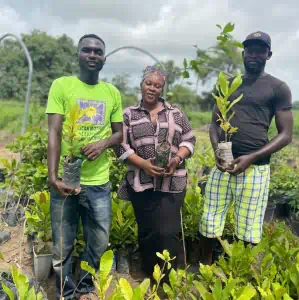
- nursery capacity and replacement cycles (proof of continuity)
In land restoration, survival + maintenance matter more than “how many planted.”
How you can support (donors + CSR partners)
For private donors
Support the practical building blocks that keep restoration alive:
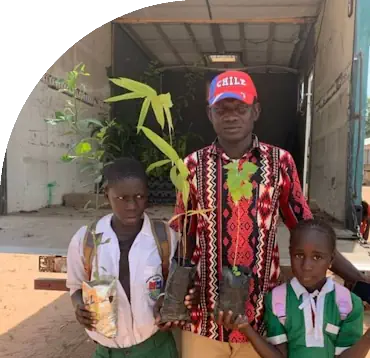
- nursery setup and seedling materials
- basic tools and protection for young plants
- maintenance coordination and follow-up visits
- simple monitoring (photo points, checklists)
For CSR partners
This is ideal for structured pilots with milestones:
- sponsor restoration zones with survival-rate targets
- fund stewardship training + maintenance toolkits
- support monitoring and reporting packages (KPIs, photo logs, case stories)
- scale pilots community-by-community based on measured progression
The bottom line
Degraded soil reduces yields, increases erosion, and makes communities fragile under climate stress. Real resilience is built through restoration that prioritizes survival, maintenance, and local ownership—because that’s what holds up when weather swings hard.
And even if the road is long, Bamboo Foundation Gambia is one small, practical way to move things forward—by helping communities rebuild land stability step by step, until improvement becomes durable.